
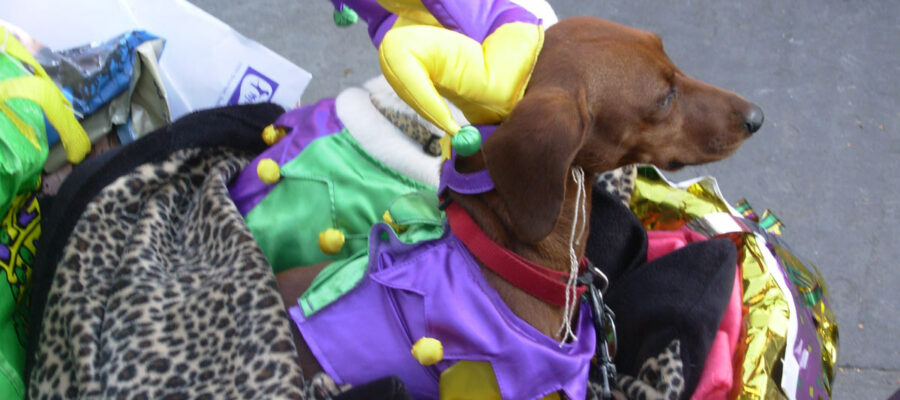
Mardi Gras in New Orleans is more than just a party — it’s a centuries-old cultural tradition that blends history, pageantry, music, and community into one of the most iconic celebrations in the world. From elaborate parades and masked balls to beads, doubloons, and king cake, Carnival season is deeply woven into the fabric of the city.
A Brief History of Mardi Gras in New Orleans
Mardi Gras, meaning “Fat Tuesday” in French, traces its roots back to medieval Europe and Catholic traditions marking the final day of feasting before Lent. The celebration arrived in Louisiana with French explorers in the late 1600s, and by the early 1700s, New Orleans was already observing Carnival with street festivities.
Organized parades began in the mid-1800s with the creation of secret social clubs known as krewes. The Mistick Krewe of Comus, founded in 1856, is credited with launching the modern Mardi Gras parade tradition, introducing themed floats, masked riders, and nighttime processions. Over time, Mardi Gras evolved into a citywide season rather than a single day, culminating on Mardi Gras Day.
Mardi Gras Traditions That Define the Season
Mardi Gras season officially begins on January 6, known as Twelfth Night or the Feast of the Epiphany. From that day until Mardi Gras Day, parades, balls, and events take over the city.
Some of the most enduring traditions include masking, costuming, and the iconic colors of Mardi Gras: purple for justice, green for faith, and gold for power. King cake is another staple of the season, featuring a small plastic baby hidden inside — whoever finds it is responsible for bringing the next cake or hosting the next party.
Mardi Gras Indians, with their elaborate hand-sewn suits and powerful chants, represent one of the most culturally significant traditions. Their parades honor African, Native American, and Creole heritage and are a unique expression found almost exclusively in New Orleans.
Popular Mardi Gras Parades and Krewes
New Orleans Mardi Gras parades are organized by krewes, each with its own themes, symbols, and traditions. Some of the most popular and well-known include:
Krewe of Rex, founded in 1872, is one of the oldest and most historic krewes. Rex traditionally parades on Mardi Gras Day and is known for establishing the official Mardi Gras colors.
Zulu Social Aid & Pleasure Club also rolls on Mardi Gras Day and is famous for its hand-decorated coconut throws, one of the most sought-after items of the season.
Krewe of Endymion is one of the largest parades, featuring massive floats, celebrity riders, and a spectacular Mid-City route.
Krewe of Bacchus is known for celebrity monarchs and humorous themes, making it a favorite for families and visitors.
Krewe of Muses and Krewe of Nyx highlight the growing role of all-female krewes, with signature throws like decorated shoes and purses.
Walking parades and satirical krewes such as Krewe du Vieux and Chewbacchus bring a more irreverent, adult-oriented energy, especially in the French Quarter and Marigny.
Mardi Gras Throws: Beads, Coins, and More
Throws are one of the most exciting parts of any Mardi Gras parade. Riders toss items from floats to spectators as a symbol of goodwill and celebration. The most common throws are colorful bead necklaces, but Mardi Gras throws come in many forms.
Mardi Gras doubloons, often referred to as coins, are aluminum tokens stamped with a krewe’s emblem, parade year, or theme. These doubloons are highly collectible and are often saved as souvenirs long after Carnival ends.
Other popular throws include plastic cups, stuffed animals, light-up toys, and signature items unique to specific krewes. Some krewes hand-craft their throws, making them especially prized. Shouting “Throw me something, mister!” is a time-honored tradition and often helps catch a rider’s attention.
More Than a Party
While Mardi Gras is famous for its festive atmosphere, it’s also deeply rooted in community, craftsmanship, and history. Many krewes spend the entire year designing floats, sewing costumes, and planning events. For locals, Mardi Gras is a season of tradition passed down through generations, not just a single day of celebration.
Whether you’re watching a parade on St. Charles Avenue, catching beads in the French Quarter, or admiring the artistry of Mardi Gras Indians, New Orleans Mardi Gras offers an experience unlike anywhere else in the world — a vibrant celebration where history and joy meet in the streets.